The Future of Welding Automation with Ceramic Materials
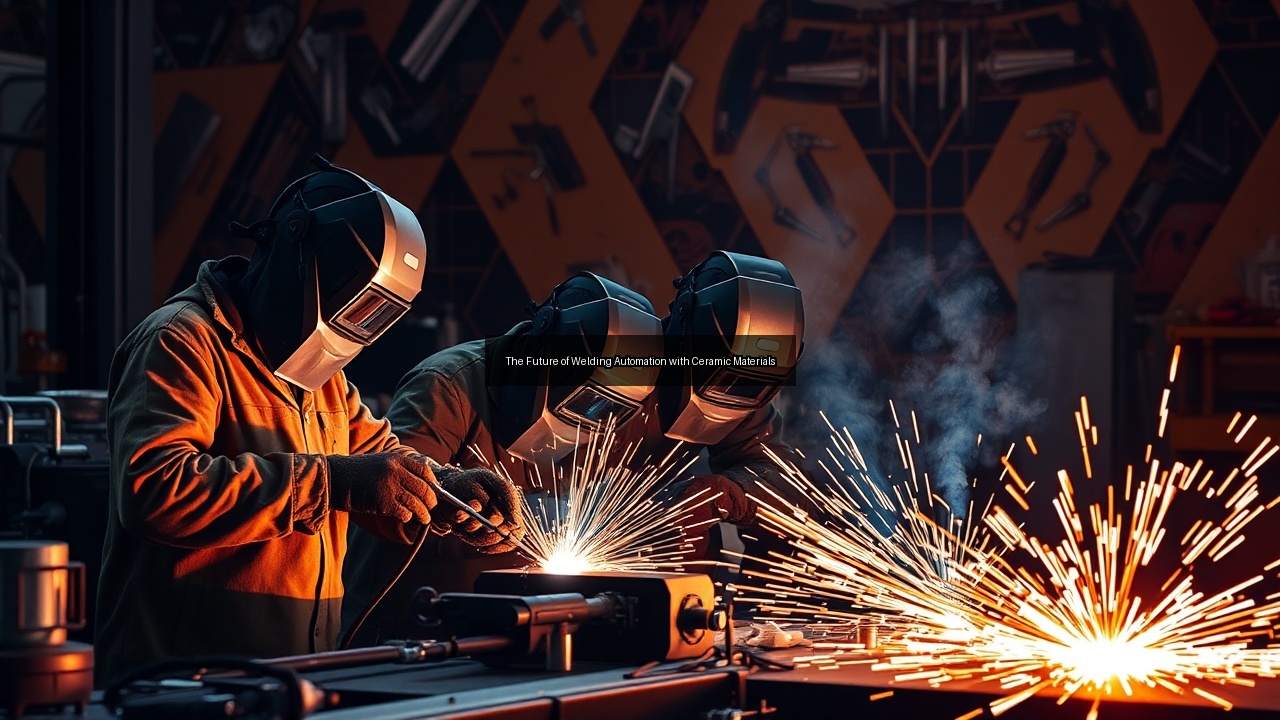
Understanding the Role of Ceramic Backing in Welding
What is Ceramic Backing?
Ceramic backing for welding serves as a temporary support placed behind the joint to contain the molten pool during the process. Welders position these strips or tiles directly against the metal edges so the torch can deliver full penetration without burn-through. The material resists extreme heat, maintains its shape, and peels away cleanly once the weld cools. Fabricators in shipyards and heavy fabrication shops rely on it when access to the reverse side remains limited. Ceramic backing materials come in various widths and profiles, including 102mm lengths that fit standard plate thicknesses. They eliminate the need for back gouging in many cases and reduce the risk of defects in critical joints.
Benefits of Using Ceramic Backing in Welds
Welders gain consistent root profiles and improved fusion when they apply ceramic backing for welds. The ceramic prevents slag entrapment and supports higher travel speeds without compromising geometry. In marine construction, where aluminium and thick steel plates meet, these backings cut down on rework and grinding time. They also allow single-sided welding on large assemblies, shortening project schedules. Quality improves because the backing maintains uniform heat distribution across the joint. Fabricators report fewer incomplete penetration issues and better mechanical properties in the finished weld. Overall, ceramic backing materials streamline production while meeting stringent code requirements for pressure vessels and structural components.
Types of Ceramic Materials Used in Welding
Common options include alumina-based tiles, zirconia-enhanced strips, and composite ceramics designed for high-temperature cycles. Each type offers different thermal conductivity and adhesion characteristics. Alumina performs well in standard steel applications, while zirconia variants handle the intense arc of plasma cutting and laser welding. Some manufacturers produce flexible ceramic backings that conform to curved surfaces in pipe fabrication. Adhesive-backed versions allow quick placement without clamps, speeding setup on automated lines. Selection depends on base metal thickness, welding position, and required heat resistance. These ceramics maintain structural integrity even when welders run multiple passes at elevated amperages.
Advancements in Welding Automation
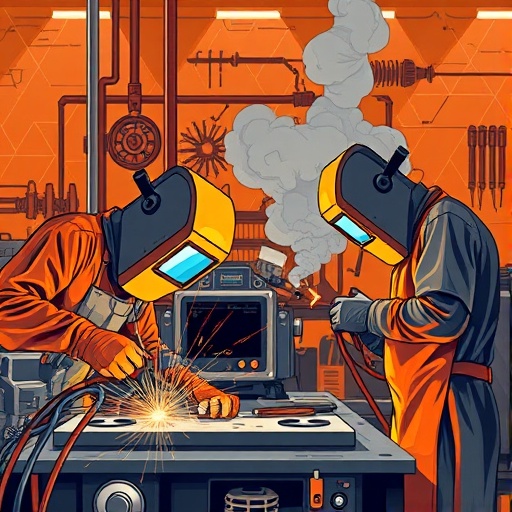
Impact of Automation on Welding Processes
Automation transforms how welders approach repetitive joints by delivering precise torch movement and consistent parameters. Robotic systems reduce human error and increase throughput on high-volume lines. Automated welding cells integrate sensors that monitor arc stability and adjust wire feed in real time. This precision proves especially valuable when ceramic backing supports the root pass. Fabricators achieve higher deposition rates while maintaining weld quality across long seams. Automation also minimizes operator fatigue during extended shifts in shipbuilding and structural steel shops.
Integration of Ceramic Backing in Automated Systems
Modern setups pair ceramic backing materials with robotic positioners so the backing stays aligned throughout the weld. Gullco International developed systems that feed ceramic strips automatically ahead of the torch. These integrations allow continuous operation on flat and curved surfaces without manual repositioning. The backing remains secure even at high travel speeds, supporting consistent penetration. Welders program the automation to account for different ceramic thicknesses and joint preparations. This combination reduces setup time and ensures every weld meets the same geometry standards.
Case Studies: Success Stories from Gullco International and Voestalpine
Gullco International introduced the KATBACK system that combines mechanized travel with ceramic backing for consistent root welds. Their equipment helped fabricators in the marine sector complete large aluminium panels faster and with fewer defects. Voestalpine applied similar automation in their steel processing lines, pairing ceramic backing materials with orbital welding heads. The results included improved productivity and reduced post-weld cleaning. Both companies demonstrated that ceramic backing integrates smoothly into automated environments, delivering reliable quality across diverse material thicknesses and joint configurations.
Applications of Ceramic Backing in Various Welding Techniques
Ceramic Backing in MIG and GMAW
MIG and GMAW processes benefit directly from ceramic backing because the backing contains the higher deposition rates typical of these methods. Welders achieve full penetration on thick plates without excessive heat input. The ceramic prevents the weld pool from dropping through while the wire feeds at elevated speeds. In automated GMAW cells, ceramic backing materials maintain alignment under the arc, producing uniform beads. Fabricators working with structural steel report cleaner roots and reduced spatter when they use properly selected backing profiles. This compatibility extends to both solid and flux-cored wires.
TIG Welding and Ceramic Backing Compatibility
TIG welding demands precise control, and ceramic backing supports the delicate root pass without interfering with the tungsten electrode. The backing provides a stable surface for the molten pool while the welder maintains the correct torch angle. Many shops use ceramic backing for welds on stainless and nickel alloys where oxidation must stay minimal. The material withstands the focused heat of the TIG arc and releases cleanly afterward. Automation further enhances consistency by holding the torch at optimal distance from the ceramic surface throughout the joint.
Exploring Applications in Plasma Cutting and Laser Welding
Plasma cutting and laser welding require backing that resists intense localized heat. Ceramic materials excel here because they retain shape under concentrated energy. In laser welding of thin metals, ceramic backing prevents distortion and supports the narrow fusion zone. Plasma applications often involve thicker sections where the backing contains the molten metal during high-current passes. Fabricators combine these processes with automated torch movement to produce clean edges and strong joints. The backing also protects the reverse side from oxidation in critical aerospace and pressure vessel work.
The Future Trends in Welding Materials and Automation
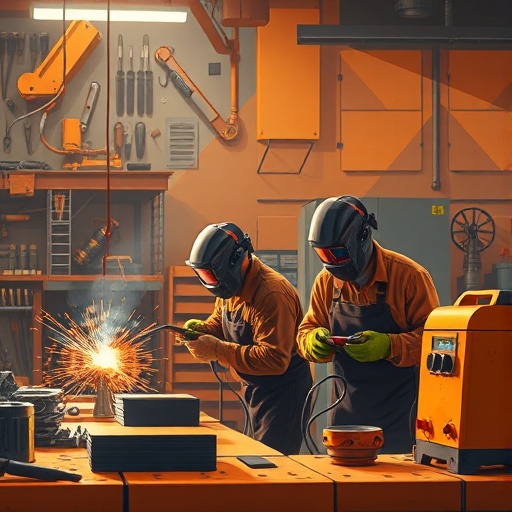
Emergence of New Ceramic Materials
Developers continue to refine ceramic backing materials with improved thermal shock resistance and lower adhesion properties. New formulations incorporate nano-additives that enhance durability during repeated heat cycles. These advancements allow longer runs in automated cells without replacement. Some ceramics now include embedded sensors that signal when the backing reaches temperature limits. Such innovations expand use into higher-performance applications where traditional backing materials fail.
Automation Trends Shaping the Future of Welding
Future welding cells will feature tighter integration between ceramic backing feeders and multi-axis robots. Real-time monitoring will adjust parameters based on backing temperature and joint fit-up. This level of control supports complex geometries in aluminium and hybrid metal structures. Automation also reduces reliance on manual welders for hazardous positions, improving safety across fabrication shops.
The Role of Protective Gear and Welding Helmets in Automated Environments
Even with automation, welders need protective gear and welding helmets when they monitor or maintain robotic systems. Helmets with auto-darkening lenses protect against arc flash during setup and inspection. Proper protective gear remains essential around automated plasma cutting and laser stations where stray radiation can occur. Fabricators continue to emphasize training on both equipment and personal safety to maintain productivity and compliance.
Challenges and Considerations in Implementing Ceramic Backing
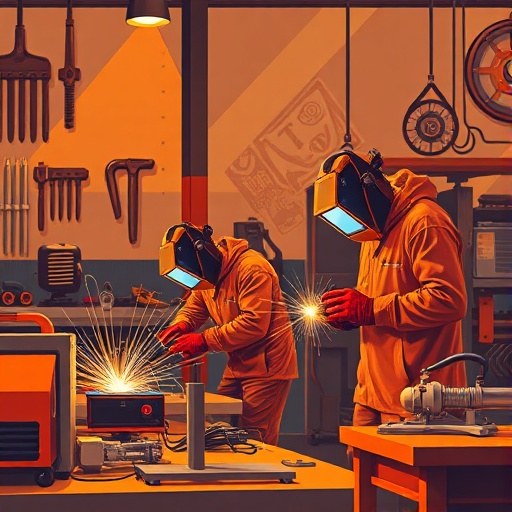
Selecting the Right Ceramic Backing Materials
Choosing the correct ceramic backing depends on joint design, base metal, and welding parameters. Welders must match backing width and thickness to the plate dimensions to avoid gaps or excessive restraint. Incorrect selection can lead to poor fusion or trapped gas. Testing different ceramic backing materials on sample joints helps determine the best fit for each application. Suppliers provide guidance on compatibility with aluminium, carbon steel, and stainless grades.
Impact on Weld Geometry and Quality
Ceramic backing directly influences root geometry by supporting the weld pool. Proper placement produces flat, uniform roots that require minimal finishing. Misalignment can create undercut or lack of fusion. Automated systems reduce these risks by maintaining consistent pressure and positioning. Welders inspect the first few joints to verify that the backing delivers the required profile before committing to full production runs.
Cost vs. Benefit Analysis of Ceramic Backing in Welding
While ceramic backing materials add upfront expense, they often lower total project costs through reduced grinding and faster completion. Single-sided welding eliminates the need for scaffolding or flipping large assemblies. In high-volume automation, the time savings and quality improvements justify the investment. Fabricators compare material costs against labor reductions and defect rates to determine the true return. Many shops find that ceramic backing for welding pays for itself within a few major projects.